Verizon
Web Design & Strategy
Redefining a Scalable Subscription Ecosystem
Overview
My role
Senior Product Designer (Visual & Systems)
Team
2 senior, 3 junior, 1 director, 1 ux lead
Duration
2023 (3 month execution after North Star phase)
Goals
The work needed to solve for immediate business needs while building a foundation that could evolve with the platform.
Support a growing ecosystem
Enable dozens of services with different plans, bundles, and partner requirements using shared patterns instead of one-off solutions.
Reduce friction
Shorten enrollment and management flows to reduce drop-off and help users move through decisions with confidence.
Elevate the visual experience
Move beyond functional design to create a visual language that felt premium and made content the hero of the experience.
Original design
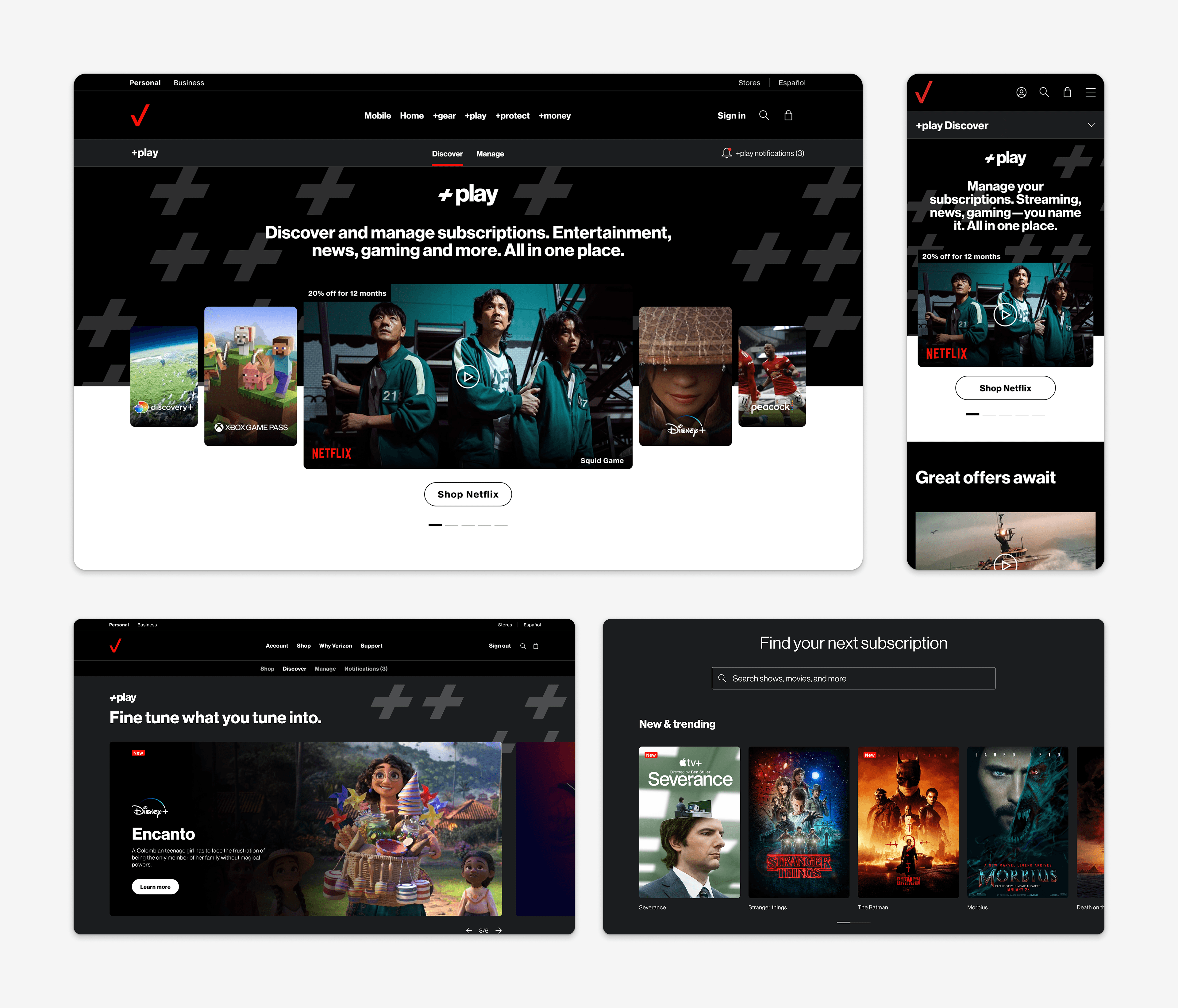
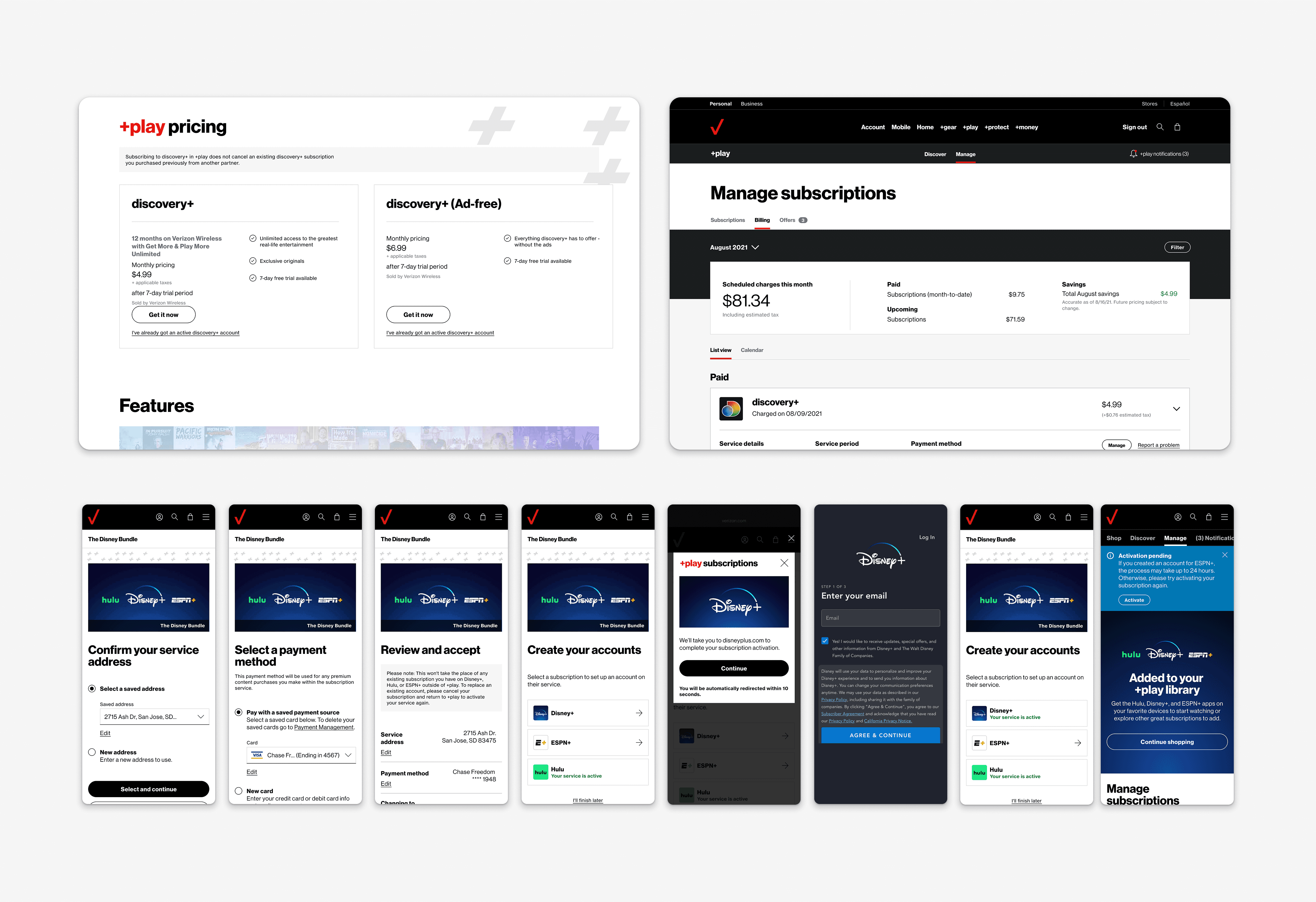
Initial findings
After the initial launch, our research team at Publicis Sapient conducted user studies and I led a comprehensive design audit across the platform. The patterns were clear:
Long, repetitive flows
Enrollment required 9 screens per service. Users had to re-enter payment and account details for each subscription, making multi-service enrollment exhausting.
Fragmented experience
Shop, Discover, and Manage felt like separate products. Each surface had evolved independently with different layouts, interaction models, and visual treatments.
Limited visibility
Large expressive tiles (220px on mobile, 474px on desktop) looked great but forced users to scroll extensively before understanding the platform's breadth. Services below the fold might as well not exist.
Unclear activation
Users weren't confident when subscriptions were fully active. The handoff to partner experiences created uncertainty at the critical moment after checkout.
Constraint: Verizon customers only
The platform was only accessible to existing Verizon wireless customers, which shaped every decision around account creation, payment flows, and activation. We couldn't acquire new users—we had to maximize value for existing ones.

Designing for scale and craft
Coming out of our North Star vision work (a separate month-long exploration of future possibilities), we had one month to evolve the platform from version 2.5 to 3.0. Version 2.5 used older patterns from Verizon's legacy system. Version 3.0 needed to implement the new design system while solving core usability issues.
The timeline was brutal, but pattern reuse became our advantage. I built a component library that could adapt to different service requirements without creating new designs each time.
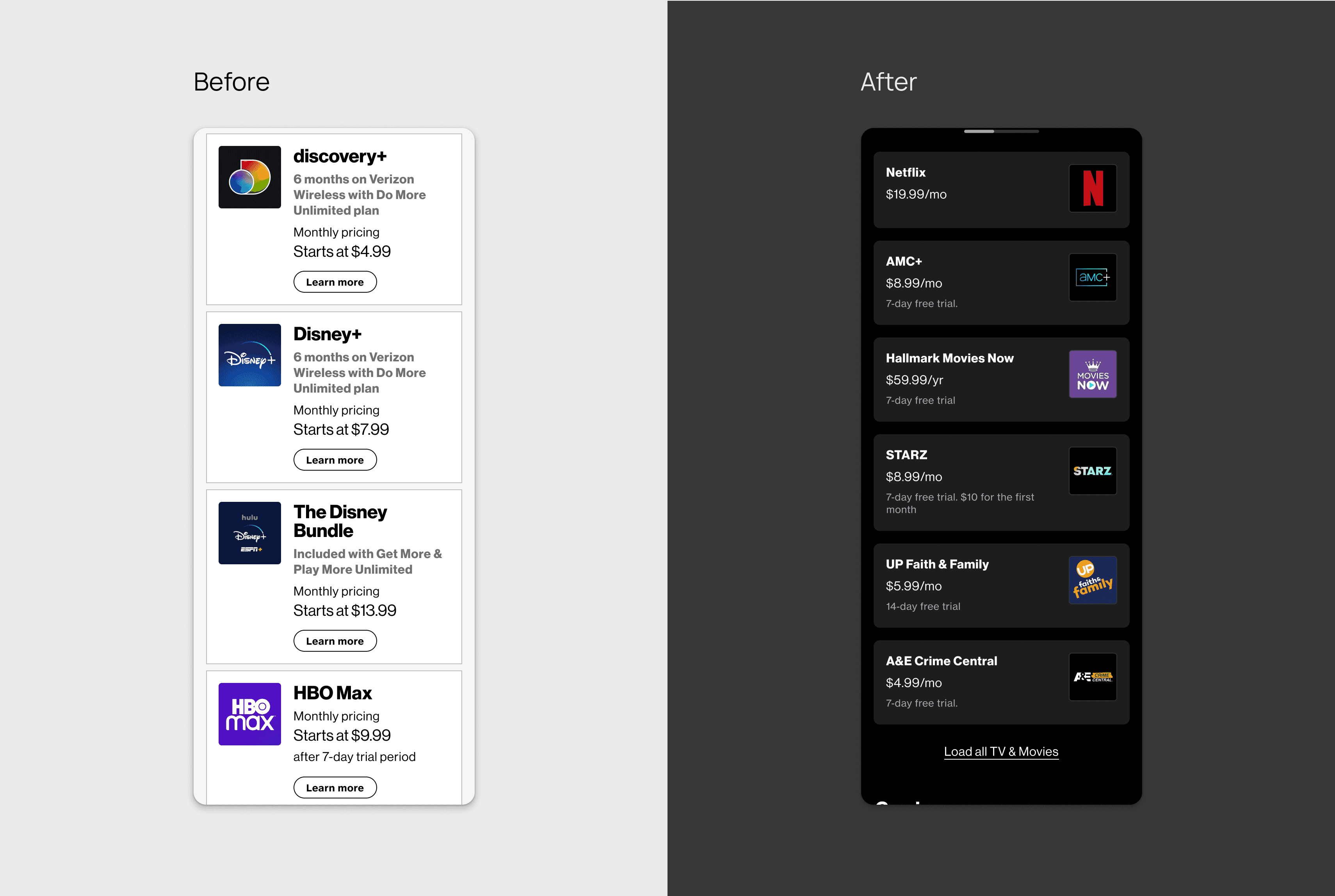
The tile system redesign
I pushed for dramatically more compact tiles to surface more content above the fold. This was my call—I believed users needed to see the platform's scale immediately to understand its value.
Mobile tiles: 220px → 103px (53% reduction)
Desktop tiles: 474px → 140px (70% reduction)
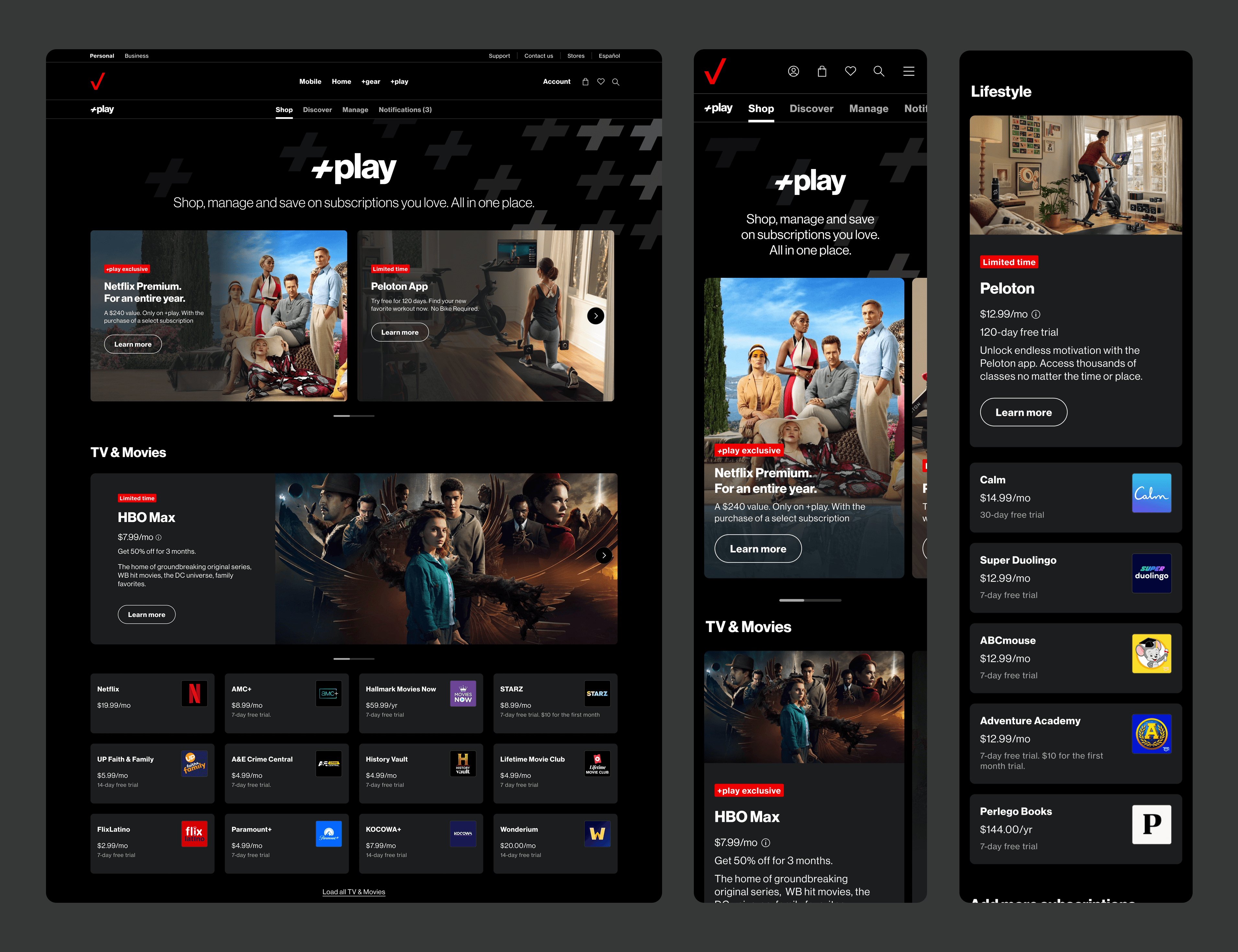
The change surfaced 8-12 additional services above the fold and made the ecosystem's breadth immediately visible. But it created a problem.
The compliance challenge
Our head of design pushed back. Verizon's compliance team required specific promotional language on tiles, and shorter tiles couldn't accommodate it without compromising the design.
I spent an 8-hour call over Christmas break with our design director working through solutions. We landed on progressive disclosure: surface the essential information on tiles, defer compliance details to tooltips and detail views. It maintained visual craft while meeting legal requirements.

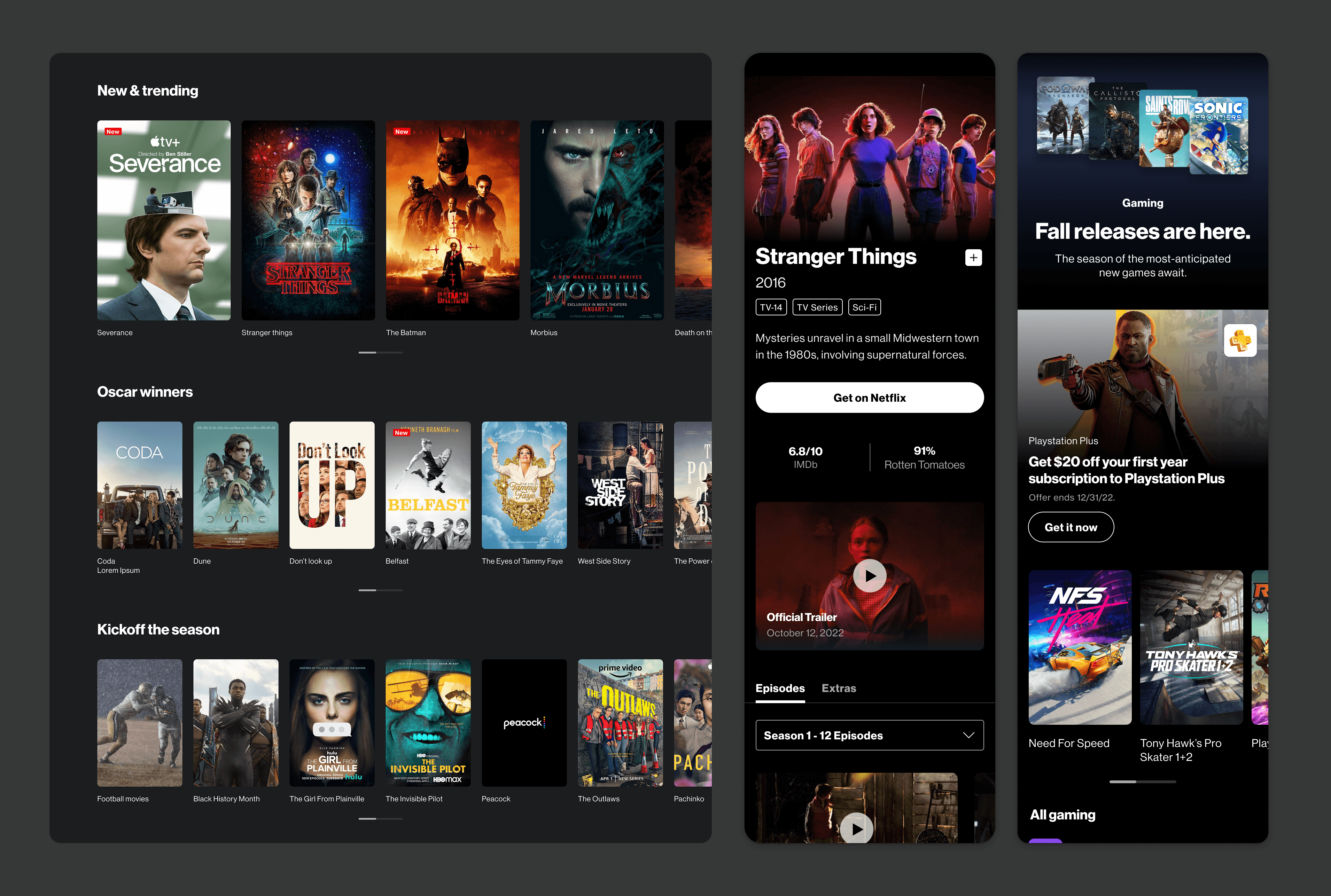
Strategic use of dark mode
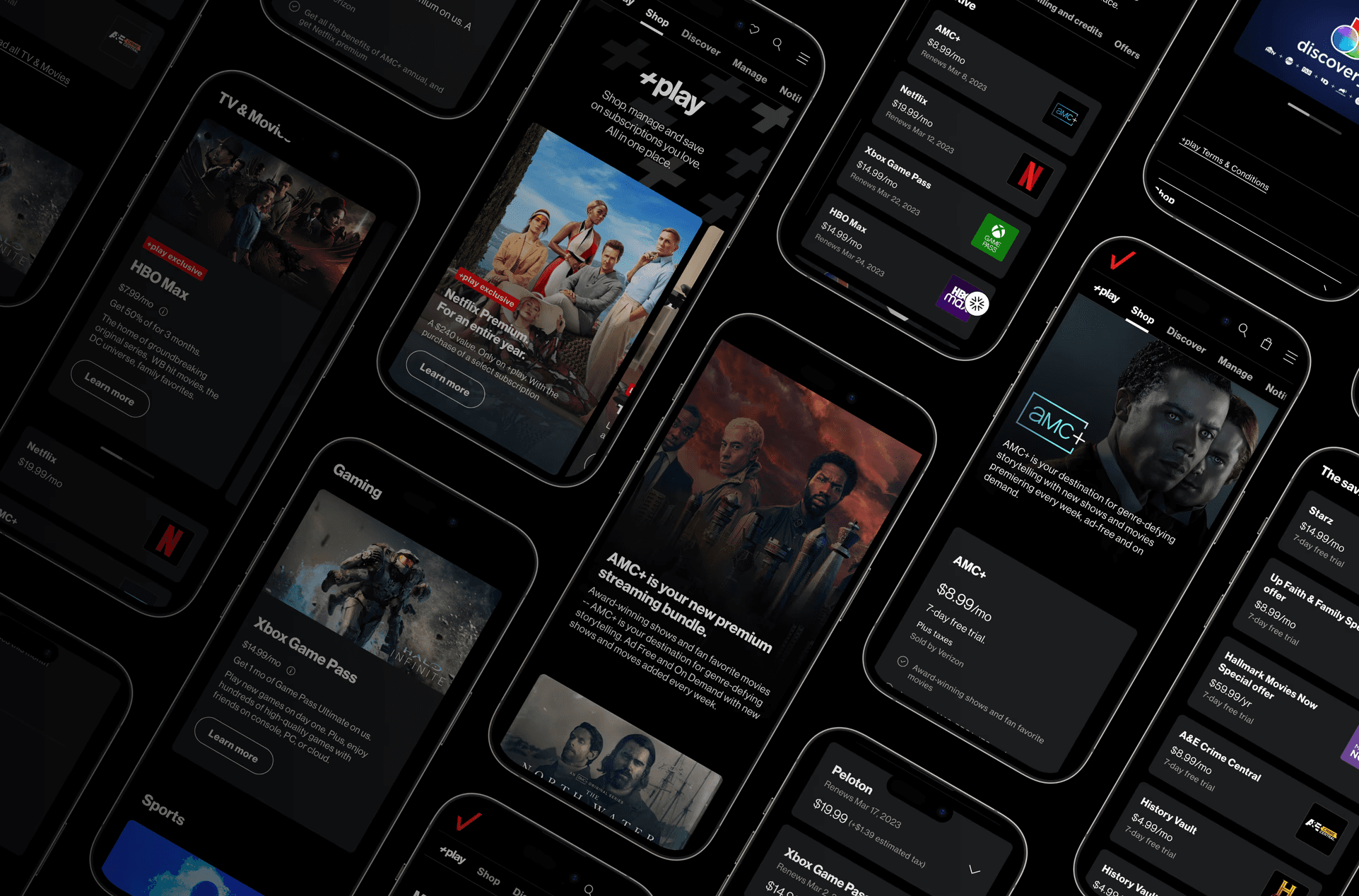
Switching to dark mode wasn't just aesthetic—it was strategic. Dark backgrounds pushed the UI back and let content come forward. Service artwork, imagery, and branding became the hero of the experience. This reinforced that +play was about the content, not the container.
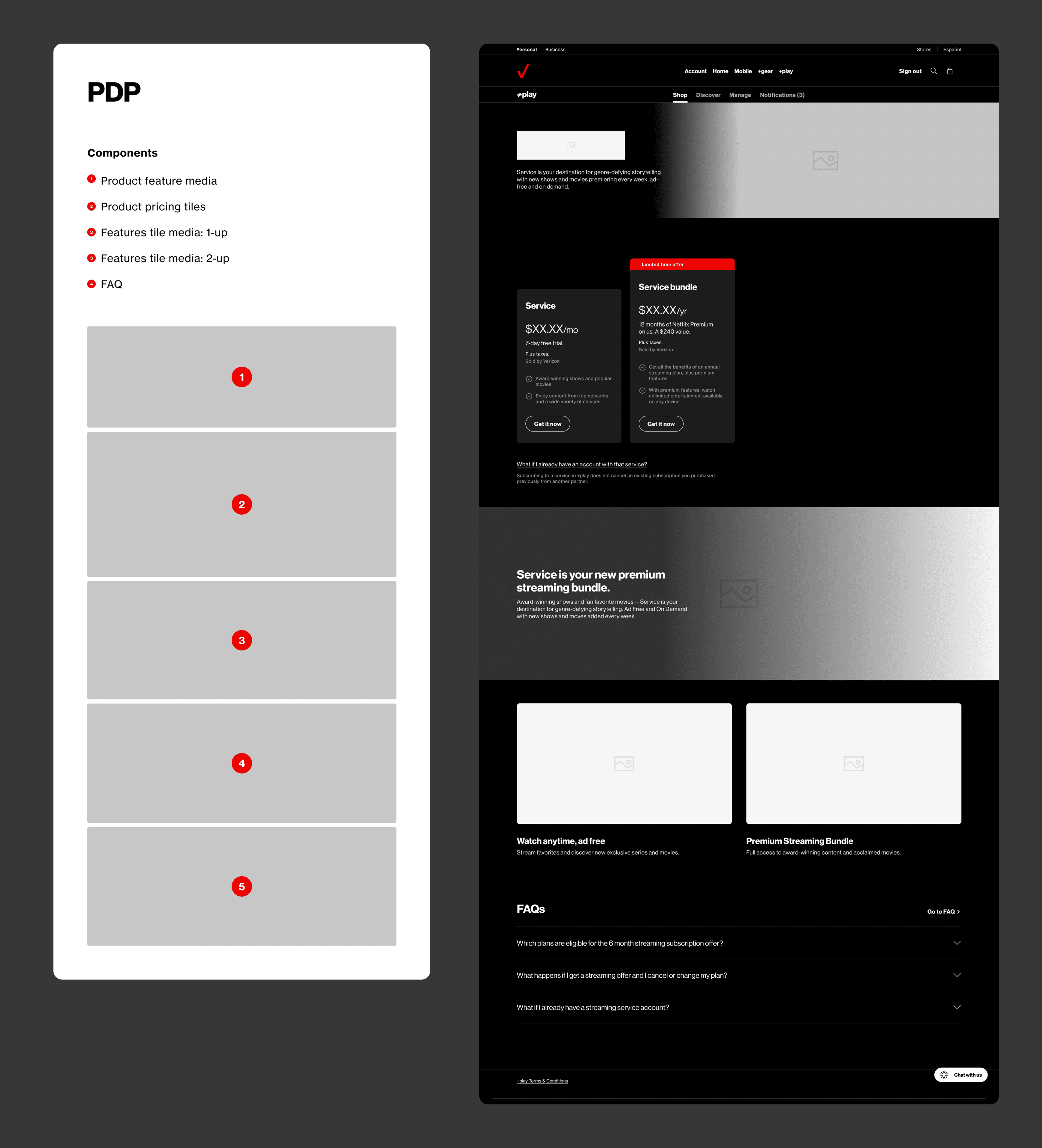
Streamlining enrollment
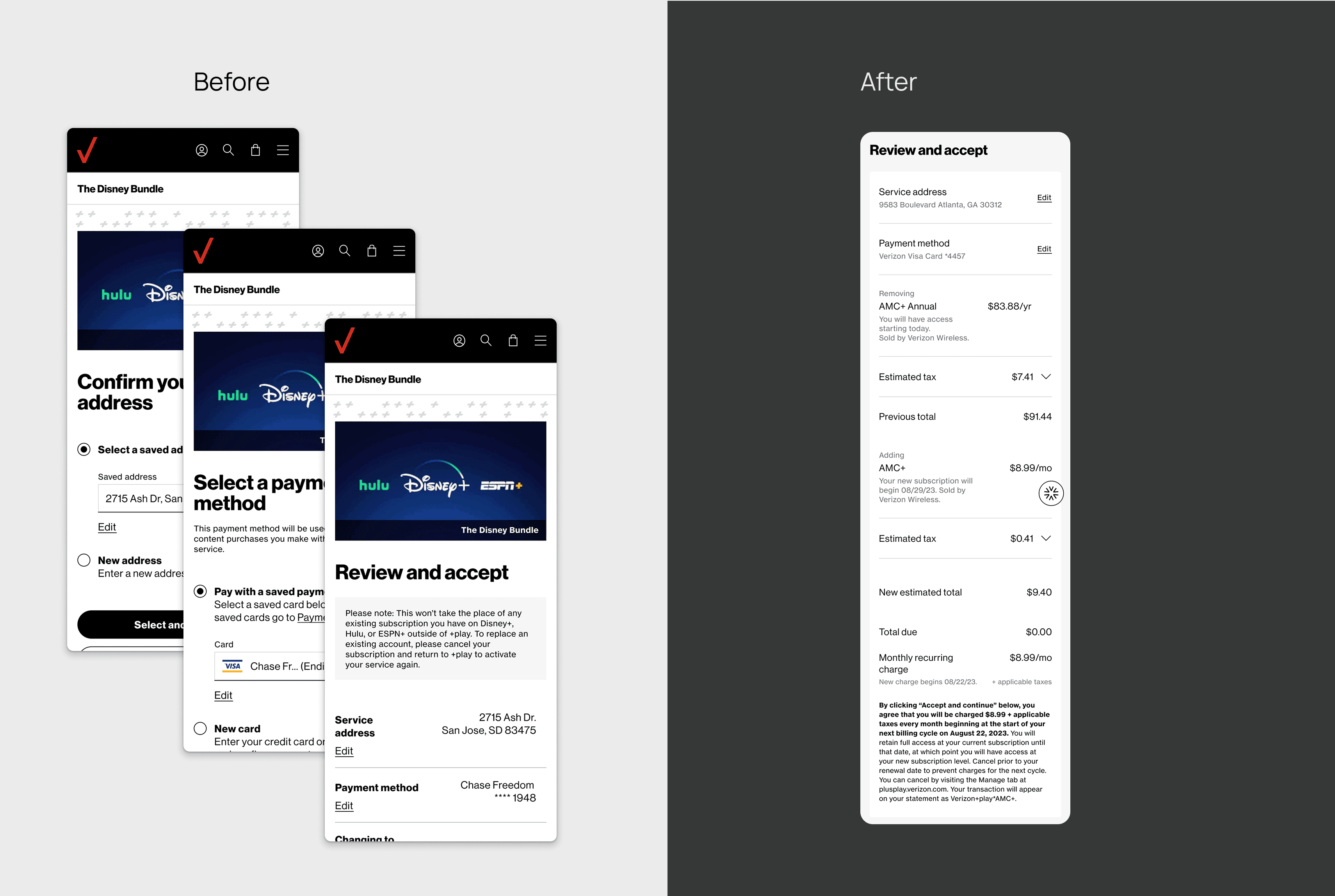
Consolidating checkout into one screen
The original enrollment flow required 9 screens per service—navigating through payment selection, address confirmation, plan details, and review screens separately. Our UX team pushed for consolidating all checkout steps into a single screen, and I designed the execution.
By reusing account context and combining all checkout steps into one view, we reduced enrollment by 32%. Users could move from selection to confirmation without losing momentum.
For returning users, the improvement was even more dramatic. No re-entering payment details. No redundant confirmations. Just fast, confident subscription.
28% fewer steps for management
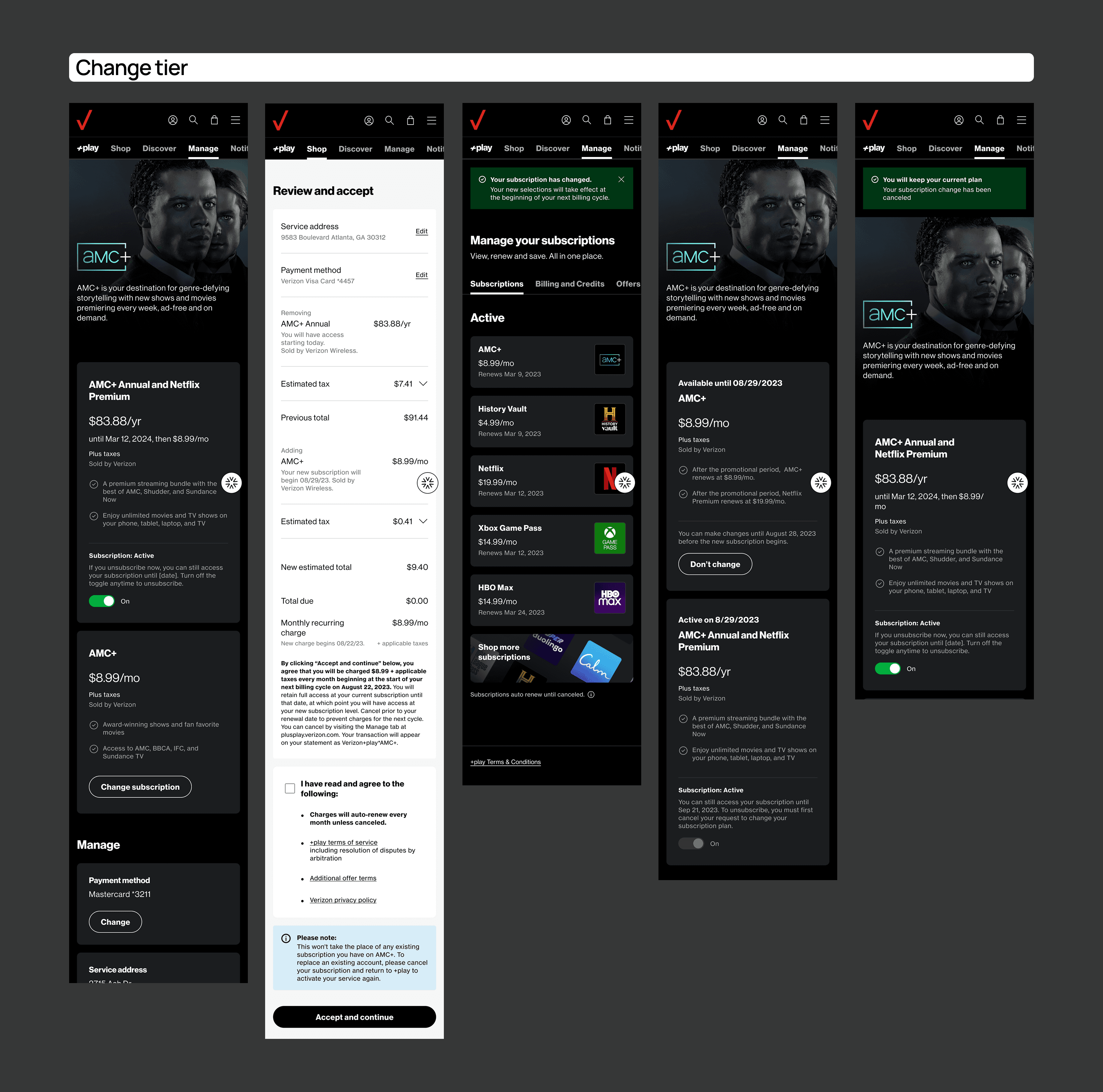
I applied the same interaction model to subscription management. Upgrades, downgrades, and bundle changes that previously required 10+ steps were collapsed into simpler, more immediate flows.
The key was aligning enrollment and management under shared patterns. Once a user understood how to subscribe, managing subscriptions felt familiar and predictable.
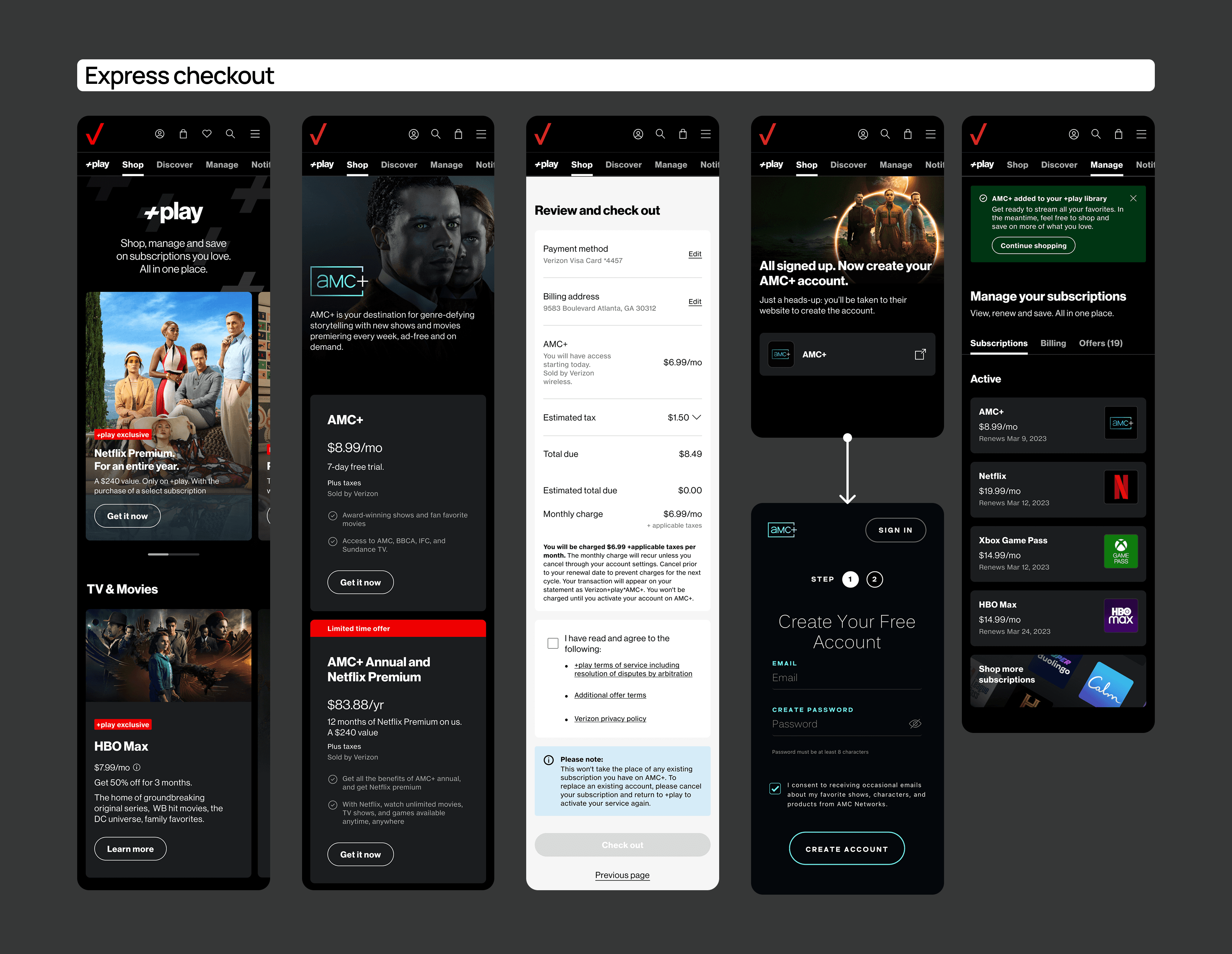
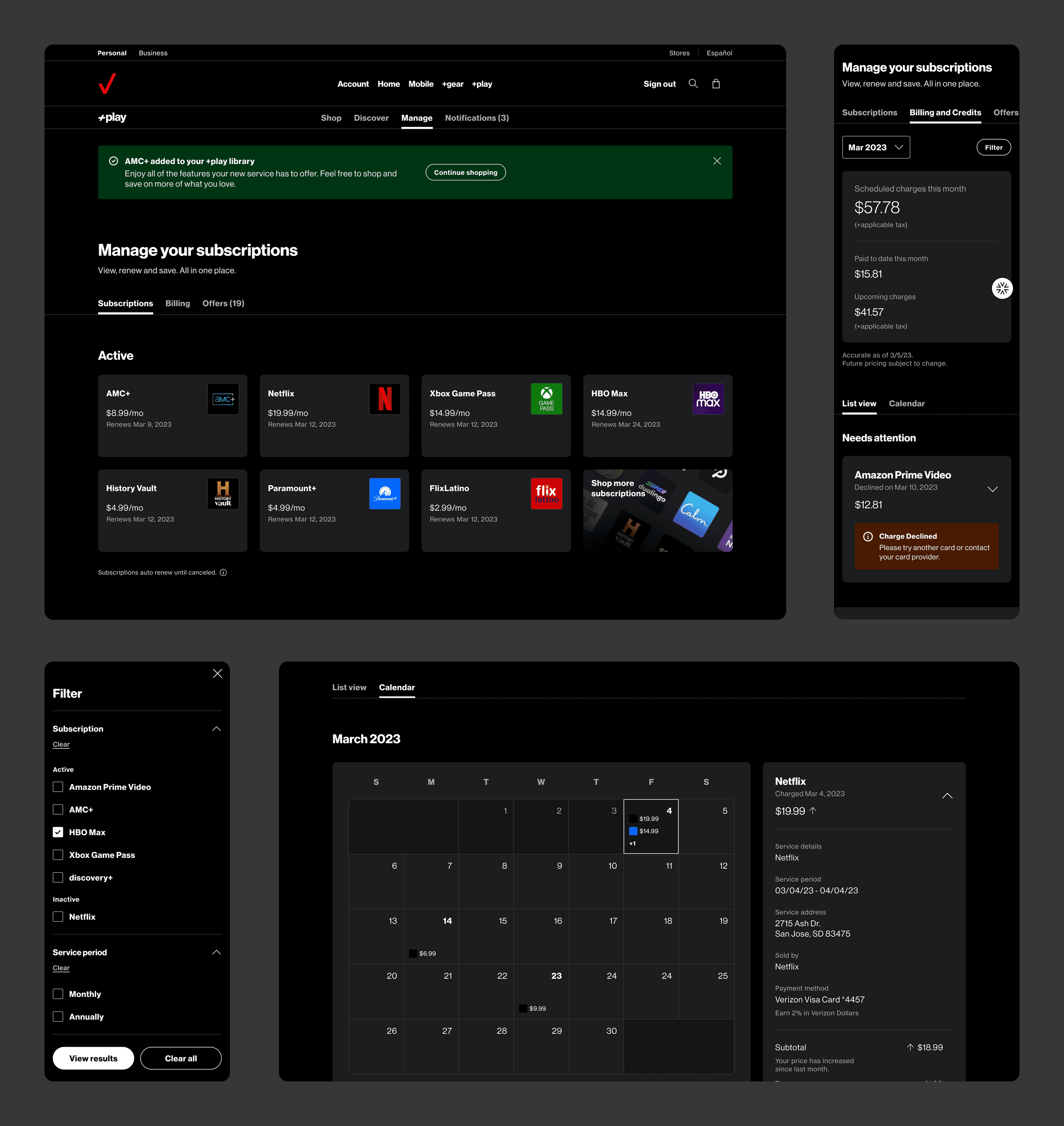
Streamlined subscription management
Managing subscriptions was originally slow and fragmented. Simple actions like upgrading, downgrading, or adjusting bundles required navigating multiple screens and confirmations, making ongoing management feel heavier than necessary.
We simplified subscription management by aligning it with the same interaction model used in enrollment. Changes could be made in fewer steps, with clearer feedback and immediate confirmation, making ownership feel faster and more predictable.
Building the system
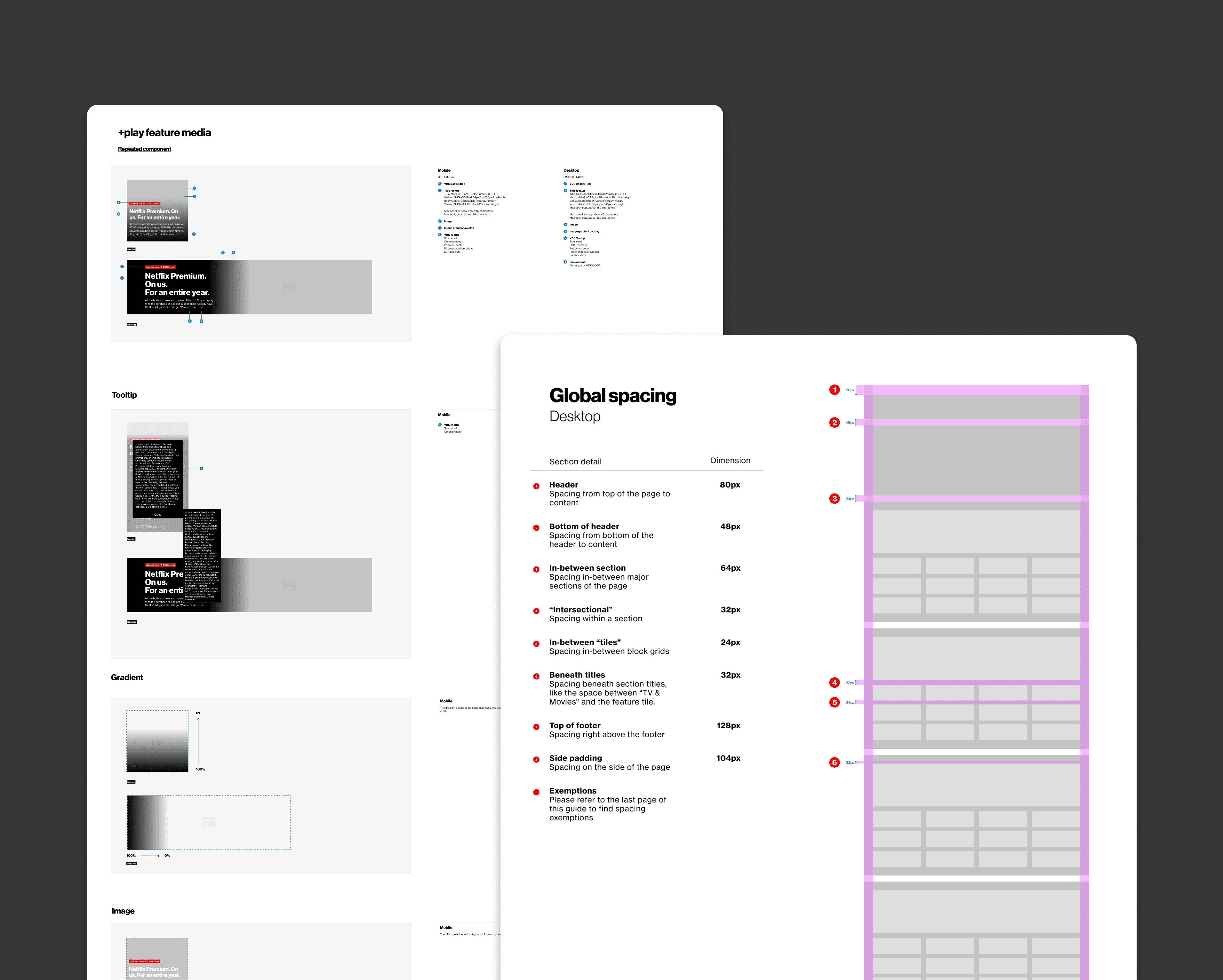
With only one month to execute and three designers to direct, documentation and reusable patterns became critical.
I created:
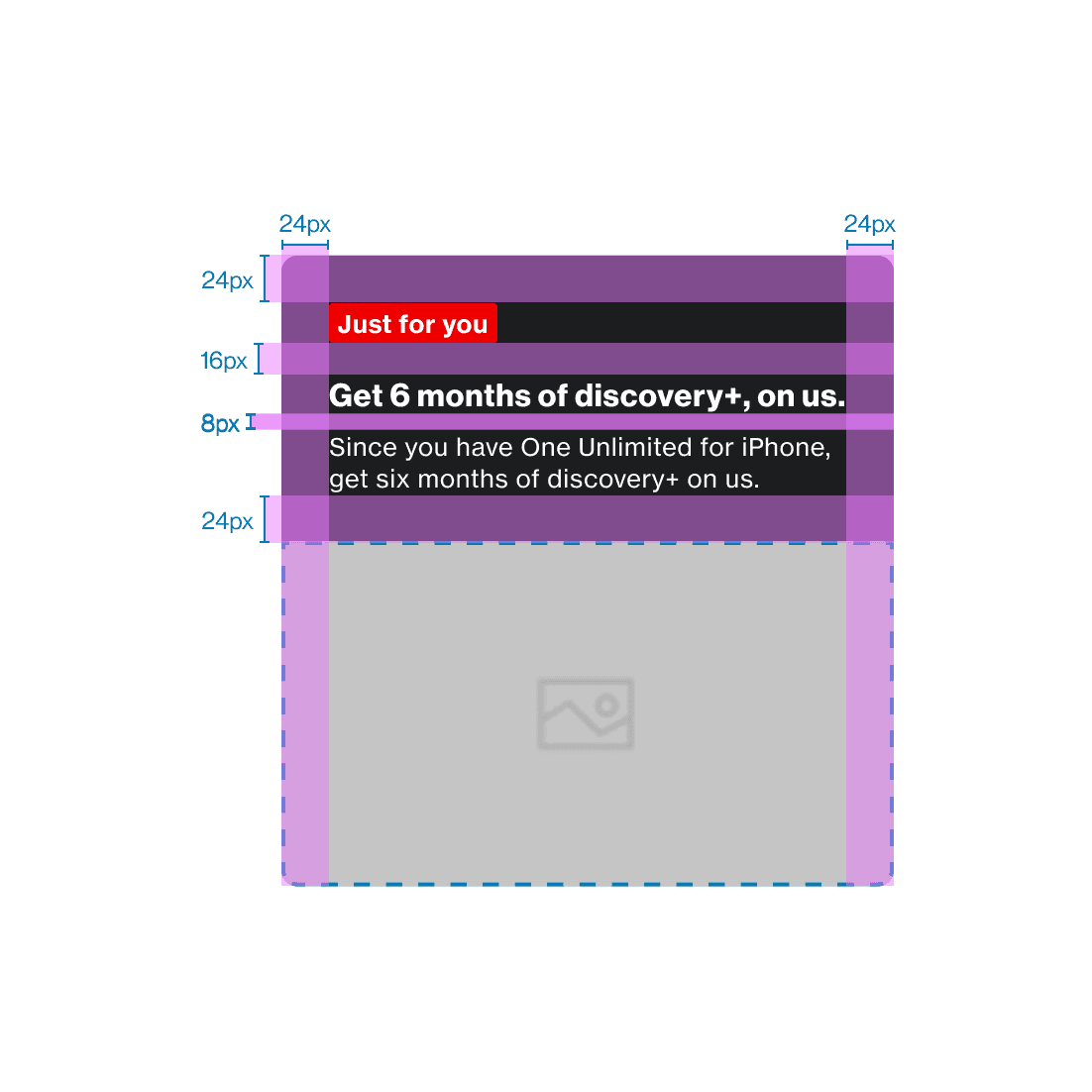
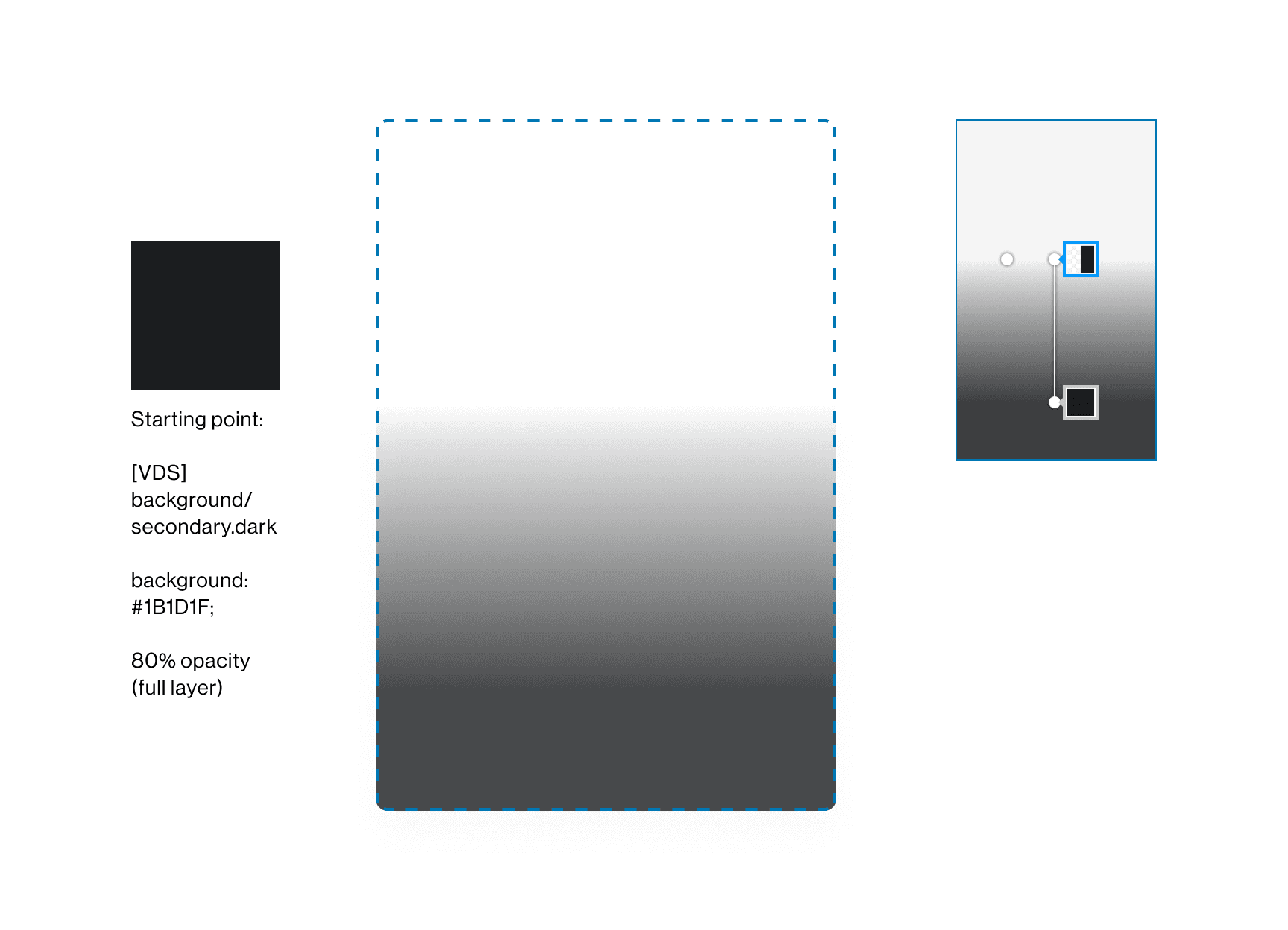
Component specifications with variants, states, and usage guidelines
Progressive disclosure patterns for complex information
Shared layout rules that could accommodate different service types
Clear interaction models that engineering could implement consistently
The system enabled new services to launch without redesigning core flows. Partners like Netflix, Apple, Xbox, and Disney could plug into existing patterns while maintaining their brand identity.